

Discover how strength training for runners improves speed, endurance, and injury resistance with science-backed exercises and a beginner-friendly plan.
Introduction to Strength Training for Runners
Strength training for runners is no longer just an optional add-on – it’s a proven method to run faster, stay healthier, and enjoy the sport longer. Many runners believe that logging more miles is the only path to improvement, but that approach often leads to burnout or injury. Strength work fills the gap by building resilient muscles, stable joints, and efficient movement patterns.
For general athletes and recreational runners, the good news is this: you don’t need heavy weights or a gym membership to benefit. A simple, well-planned routine can dramatically improve your running performance while reducing common aches and pains.
Why Runners Need Strength Training
Improved Running Economy
When muscles are stronger, each stride uses less of your body’s overall available energy. This means you can maintain your pace longer without fatigue.
Injury Prevention
Weak hips, glutes, and core muscles are common causes of runner injuries. Strength training corrects these imbalances before they turn into problems.
Better Speed and Power
Stronger legs generate more force against the ground, translating into faster acceleration and stronger finishes.
Key Muscle Groups Runners Should Train
Lower Body Muscles
- Glutes (power and stability)
- Quadriceps (knee support)
- Hamstrings (stride control)
- Calves (push-off strength)
Core Muscles
A stable core improves posture and reduces wasted movement while running.
Upper Body
Strong arms and shoulders help maintain form, especially during long runs.
Best Strength Training Exercises for Runners
| Exercise | Primary Benefit |
| Squats | Leg strength and joint stability |
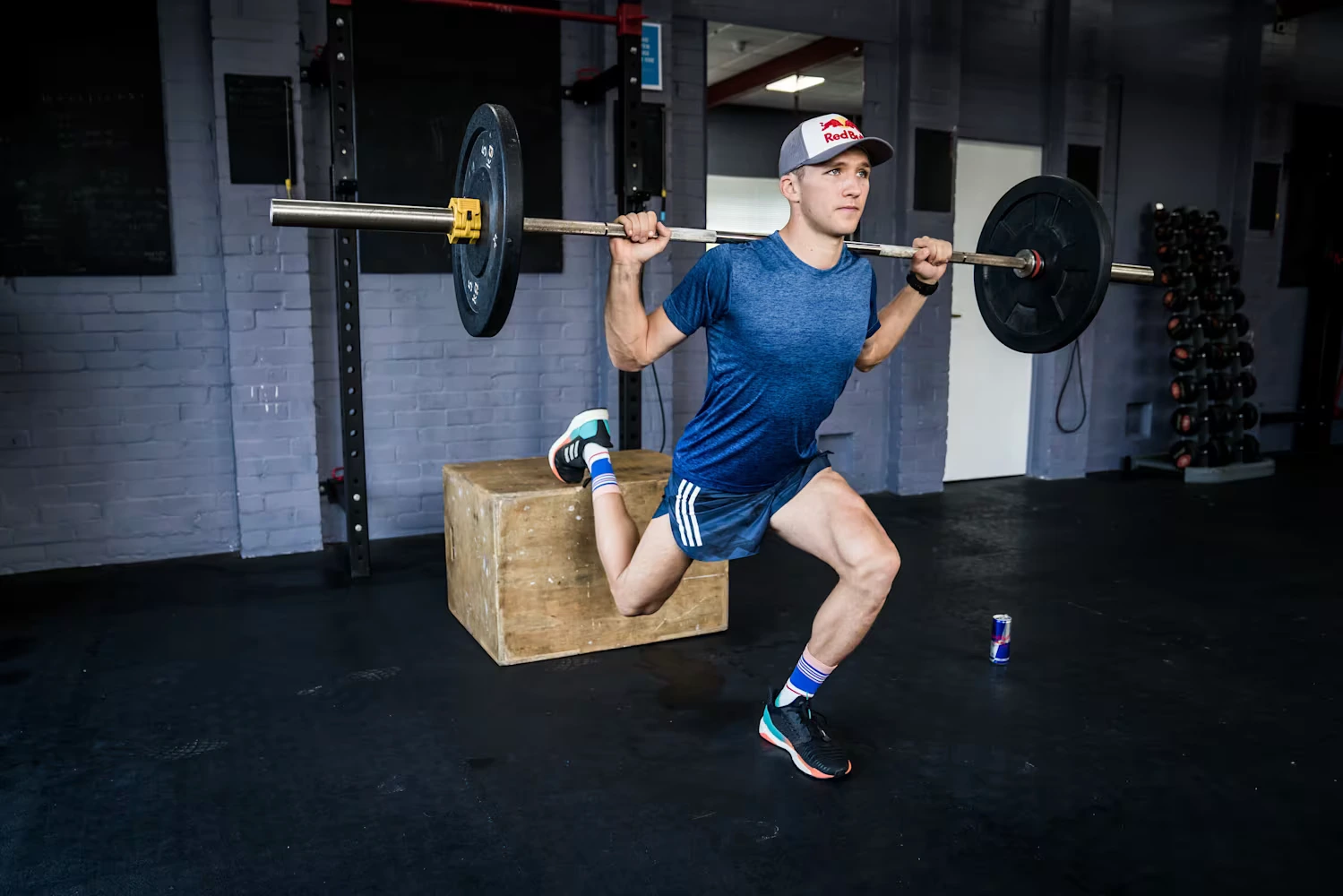
| Lunges | Balance and unilateral strength |
| Deadlifts | Posterior chain power |
| Planks | Core endurance |
| Step-ups | Running-specific movement |
| Calf raises | Injury prevention |
These exercises mimic running mechanics and build functional strength.
How Often Should Runners Strength Train?
For most runners:
- 2–3 sessions per week
- 20–40 minutes per session
- Focus on quality over quantity
Avoid intense leg workouts the day before hard runs or races. You may perform strength training workouts and easier/lighter runs on the same day, but perform your run first if running is your primary goal.
Strength Training for Runners at Different Levels
Beginners
Start with bodyweight exercises and proper form. Progress slowly.
Intermediate Runners
Add resistance bands or light weights to increase challenge.
Advanced Runners
Incorporate heavier lifts and plyometrics during off-season phases.
Common Mistakes Runners Make
- Skipping warm-ups
- Lifting too heavy too soon
- Ignoring recovery days
- Training legs hard before long runs
Consistency matters more than intensity.
FAQs About Strength Training for Runners
1. Will strength training make runners bulky?
No. Runners typically build lean, functional muscle, not bulk.
2. Can I strength train on run days?
Yes, but keep strength sessions short and controlled.
3. Is bodyweight training enough?
Absolutely, especially for beginners. But it is important to progress weight as you get stronger for continued benefits.
4. Should runners lift heavy weights?
Moderate weights with good form are safest and most effective.
5. How long before I see results?
Most runners notice improvements within 4–6 weeks, but true measurable strength may take 8+ weeks to develop.
6. Does strength training replace running?
No, it supports and enhances your running.
Conclusion
Strength training for runners is one of the smartest investments you can make in your running journey. It boosts speed, improves endurance, and keeps injuries at bay – all without requiring hours in the gym. Start small, stay consistent, and let your strength support every stride you take.